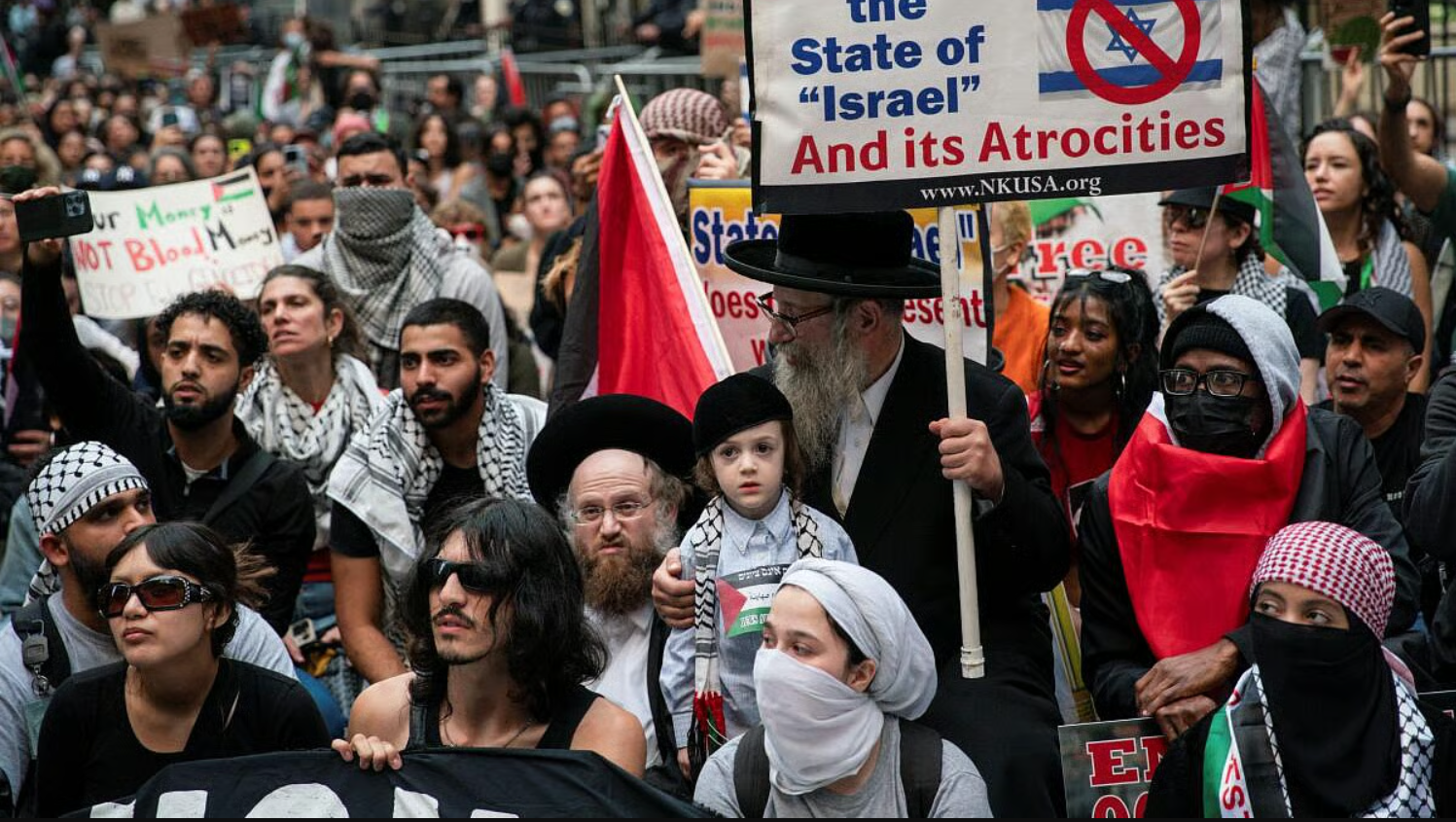
UNDERSTANDING THE IMPACT AND THE APPROACH

WHY BOYCOTT MATTERS & THE STRATEGY

Boycotts are a non‑violent, principled strategy that lets individuals, communities, and institutions translate moral convictions into concrete economic decisions. By choosing not to buy specific products or to divest from certain companies, participants collectively create measurable financial and reputational effects. These actions are driven by documented evidence and focused goals — they are not about punishment for its own sake but about encouraging meaningful policy changes, corporate accountability, and long-term respect for human rights and international law. Over time, coordinated consumer and institutional decisions can alter market incentives and open space for legal, diplomatic, and advocacy avenues that advance justice and equality.

BOYCOTT AS A WEAPON

The BDS Movement’s fight for Palestinian justice

Boycotts are strategic and targeted. They focus on corporate practices, supply chains, or institutional partnerships that are demonstrably linked to rights abuses. Campaigns begin with careful documentation: independent reporting, forensic accounting, and legal review where appropriate. That evidence shapes a narrow and realistic set of demands and identifies viable, ethical alternatives for consumers. The strategy aims to concentrate pressure on decision makers while minimizing collateral harm to workers and communities who may already be vulnerable.
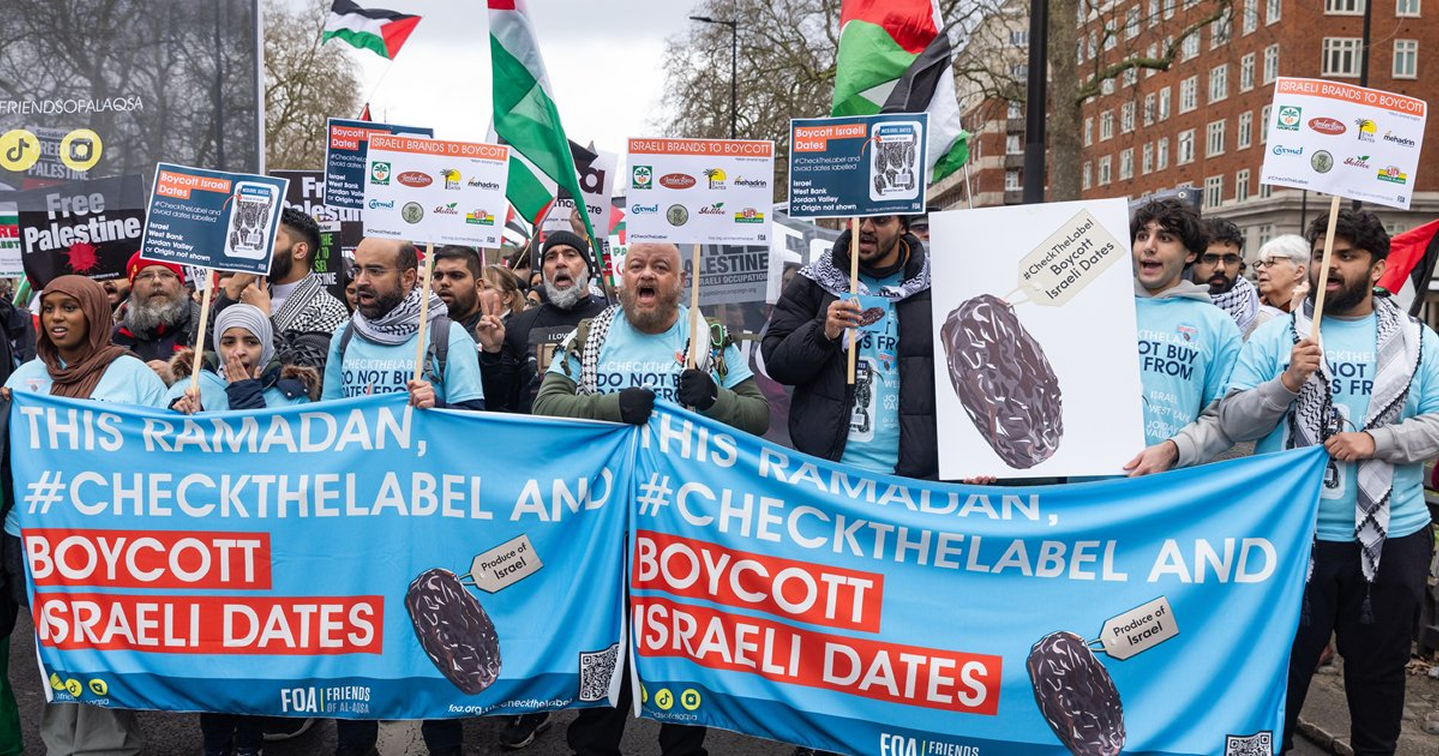

protest
campaigns

HISTORICAL SUCCESSES

Effectiveness of previous boycott campaigns

Historically, coordinated boycotts and divestment campaigns have shifted public attention, altered consumer behavior, and contributed to changes in corporate governance and institutional policies. In many cases the impact emerges gradually: from heightened media scrutiny to shareholder inquiries, supplier audits, and formal policy reviews. Measuring success involves short- and long-term indicators — from immediate loss of market share to sustained reforms in procurement, investment, or operational practices. These campaigns often work in tandem with legal advocacy, coalition building, and public education to multiply their effect.

GLOBAL PRESSURE

Economic and political leverage

Collective consumer choices create measurable leverage. When individuals, retailers, universities, pension funds and other institutions align purchasing and investment practices with human-rights standards, the cumulative effect changes corporate risk assessments. Companies begin to weigh the reputational, regulatory, and financial costs of controversial practices more heavily. Paired with organized advocacy, legal challenges, and investor engagement, consumer pressure can lead to meaningful corporate commitments, new oversight mechanisms, and changes in how supply chains are structured.

global

A path to ending suffering

A route to end the suffering

How you participate matters. Begin by learning: read the summaries and evidence linked from each company profile, ask questions about supply chains, and compare alternatives using the resources we list. Consider both immediate consumer choices and longer-term actions like advocating for an institutional policy change at your workplace, university, or local government. Supporting independent monitoring groups and legal advocates also amplifies the work of accountability and keeps evidence-based pressure sustained over time.

This site is a practical resource: use the boycott list to find companies of concern, review the documented evidence and timelines, and explore alternatives that align with your values and needs. If you need help taking action, our resources include step-by-step guides, talking points for civic engagement, and ways to connect with local and international campaigns. Collective, informed, and sustained action is the most effective route to durable change.

arrow_forward See the boycott list